
Introduction – Why 90% of Self-Published Books Fail (And How AI Fixes That)
Every week, thousands of new titles hit Amazon KDP. Most never sell more than a dozen copies. Why? Because the author fell in love with an idea instead of a market.
Traditional publishers spend months validating trends, demographics, and price points before approving a single concept. Indie creators often skip that step. The result: beautifully made books with no audience.
The good news? AI now levels the playing field.
ChatGPT, BookBolt, Publisher Rocket, and similar tools can scan reader behavior, keywords, and competitor data in seconds. What once took weeks of research now takes an afternoon.
In this post, you’ll learn how to:
- Brainstorm smart niches with AI.
- Validate demand before you design or write.
- Discover long-tail keywords that sell.
- Build a reader persona your book will delight.
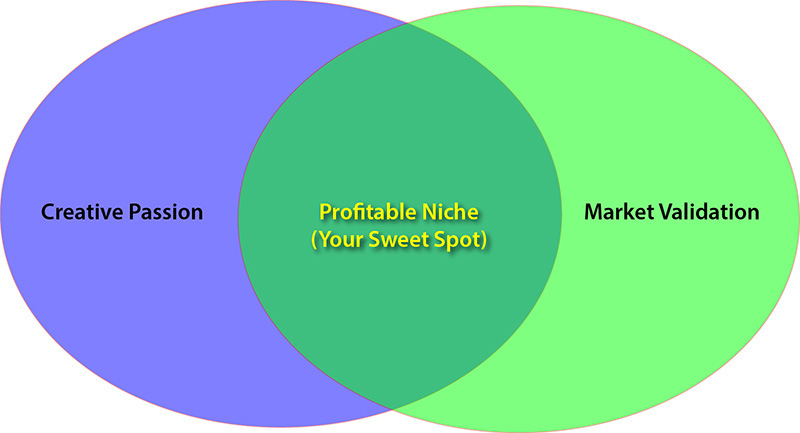
By the end, you’ll have a niche that’s emotionally rich and commercially sound — the foundation for your next bestseller.
Step 1 – Brainstorm with AI Tools
The Goal
Generate a list of niche ideas that combine emotional appeal with measurable reader interest.
Why It Matters
Brainstorming used to mean guessing. With AI, you can see what readers are already searching for — and where gaps exist.
How to Do It
- Start with ChatGPT.
Prompt example:
“List ten sub-niches in children’s picture books with low competition and emotional themes (ages 4–8). Include a brief reason each might connect with parents or grandparents.”
ChatGPT might return:
- Lonely animals finding friendship
- Courage-through-kindness stories
- Bedtime mindfulness tales
- Nature-discovery adventures
- Emotion-identification books for preschoolers
- Refine the List.
Ask follow-ups such as:
“Which of these niches has rising search interest on Google Trends?”
“Which could expand into a series or merchandise line?”
- Cross-check in Google Trends and AnswerThePublic.
- Google Trends: compare “friendly spider book” vs. “kindness for kids” over 12 months. (https://trends.google.com/trends/)
- AnswerThePublic: visualize real-world search phrases like “best books teaching friendship.” (https://answerthepublic.com/)
- Capture Everything.
Export or copy responses into your AI Niche Finder Template (Excel / PDF).
🧠 Pro Tip:
Combine emotion + data. Ask ChatGPT:
“Rank these ideas by emotional depth and keyword potential.”
Step 2 – Validate the Market Before You Write
The Goal
Confirm that readers actually buy in your niche.
Why It Matters
Validation separates passion projects from profitable ones.
If you can’t find evidence of buyers, it’s not a niche — it’s a hobby.
Core Tools
- Publisher
Rocket → Amazon categories + sales rank data - BookBolt
→ low-content or coloring book research - ChatGPT
+ Web Search → quick competitive summaries
Process Checklist
- Search
Amazon Categories.
Example: Children’s Books → Animals → Spiders.- Note
top-selling titles. - Record
average BSR (Best Seller Rank). - Count
reviews (a proxy for sales volume).
- Note
- Identify
Gaps.
Ask ChatGPT:
“Summarize what themes or tones the top ten books share.”
If every hit is scary or factual, a friendly spider story stands out —
exactly what you proved with Wanda the Friendly Widow.
- Check
Price Range & Formats.- Print
$9.99–$12.99? - Kindle
$3.99–$4.99? - Coloring
add-on versions?
- Print
- Seasonal
Patterns.
Use Google Trends to spot peaks (Halloween, Back-to-School).
You might plan promos accordingly. - Document
Evidence.
Record metrics in the AI Niche Finder Template:
| Title | BSR | Price | Reviews | Main Theme | Opportunity Notes |
Step 3 – Keyword Research for Long-Tail Success
The Goal
Find searchable phrases you can realistically rank for on Amazon and Google.
Why It Matters
Keywords are how readers find you. Big terms (“children’s books”) are saturated; long-tail keywords (“kindness story for toddlers”) convert.
How to Do It
- Ask ChatGPT for Suggestions.
“Generate 25 long-tail keywords for a picture book about kindness and friendship between garden animals.”
- Verify with SEO Tools.
- Keywords Everywhere or Ubersuggest → volume & competition.
- Yoast SEO in WordPress → on-page optimization.
- Segment Your Keywords.
- Primary: friendly spider book, kindness book for kids
- Secondary: AI children’s book, friendship story animals
- Supporting: grandparent gifts, non-scary stories, coloring combo books
- Apply Everywhere.
- Title & subtitle
- KDP 7 backend keywords
- Blog meta description
- YouTube title & tags
- Track Results.
Revisit monthly; note ranking movement and CTR (click-through rate).
Step 4 – Create Your AI-Generated Niche Persona
The Goal
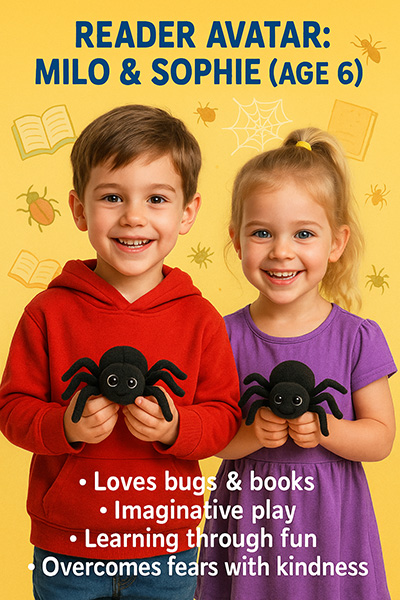
Humanize the numbers. Write to one ideal reader, not everyone.
Why It Matters
Personas guide tone, illustration style, and even page count. They help you connect emotionally — which drives reviews and referrals.
Build Your Persona with ChatGPT
Prompt example:
“Create a reader persona named Grandma Linda. She buys cute, educational books for her grandchildren (ages 4–6). Include goals, shopping habits, frustrations, and favorite story themes.”
Sample Output:
Attribute | Detail |
Name | Grandma Linda |
Age | 67 |
Location | Salt Lake City, UT |
Income Level | Comfortable retired household |
Buys Books On | Amazon Prime and local bookstores |
Values | Kindness, confidence, curiosity |
Frustrations | Too many “scary” spider books; wants gentle stories |
Preferred Format | 8×10 paperback with coloring pages |
Motivation | Meaningful reading time with grandkids |
Step 5 – Evaluate Before You Commit
Five-Point Pre-Launch Checklist
- ✅ Readers are actively searching for your topic.
- ✅ Competition is moderate and diverse.
- ✅ Your book adds emotional or visual value missing from top titles.
- ✅ You can extend it into a series or spin-off.
- ✅ The audience fits your long-term brand goals.
In publishing, clarity beats creativity every time.
By combining your storytelling heart with AI’s analytical brain, you can pick a lane where readers are waiting — not guessing.
Then get ready for Blog 13: “Design Your Layout and Visual Identity with AI”, where we’ll turn your validated idea into fonts, colors, and page layouts.